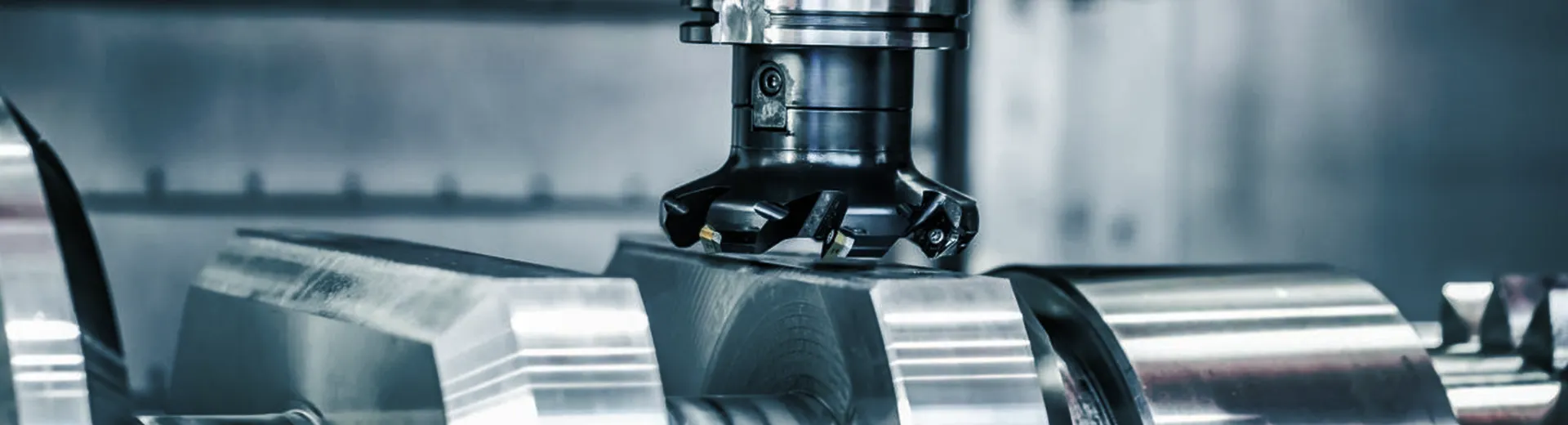
The world of CNC machining continues to evolve, with 3-axis and 5-axis serving as the primary solutions for modern manufacturing. Understanding their differences can help you choose the right technology for your parts, improve efficiency, and boost overall profitability.
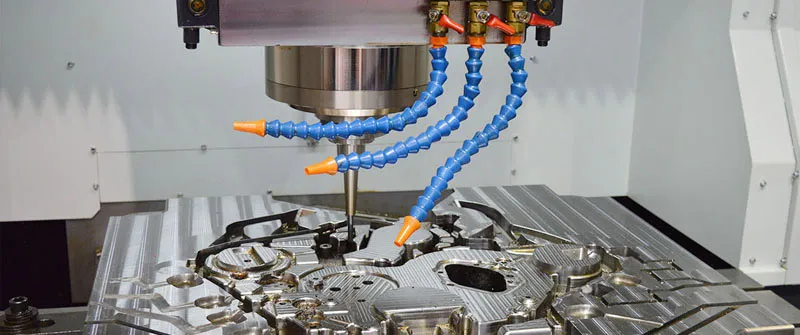
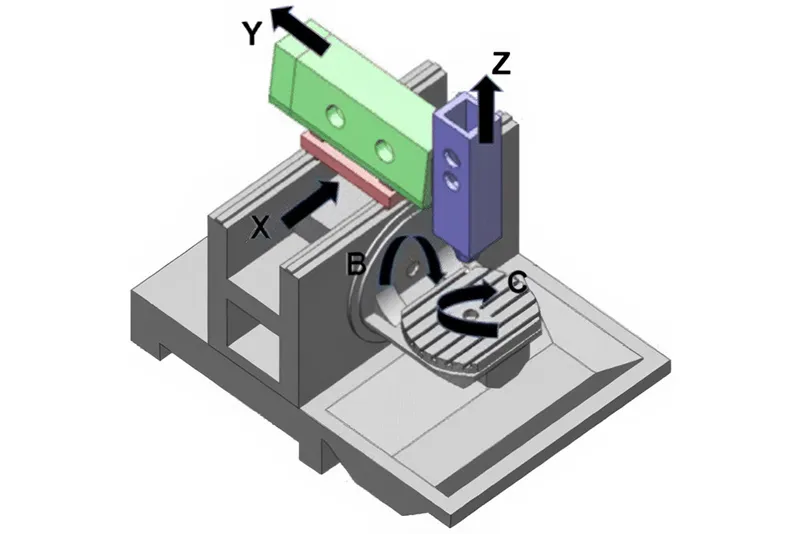
Both 5-sided machining and simultaneous 5-axis machining offer unique advantages, along with distinct tradeoffs. While simultaneous 5-axis machining can appear highly advanced, it is often slower for many common part geometries. In many cases, 5-sided machining is the more practical and efficient choice.
You may think your current projects do not require 5-axis capabilities. However, nearly any job can benefit from a 5-axis machining center—especially thanks to its ability to perform efficient 5-sided machining.
Even if you do not produce complex components like impellers or turbines, upgrading from a 3-axis mill to a 5-axis machine for 5-sided machining will make your existing parts more accurate, efficient, and profitable.
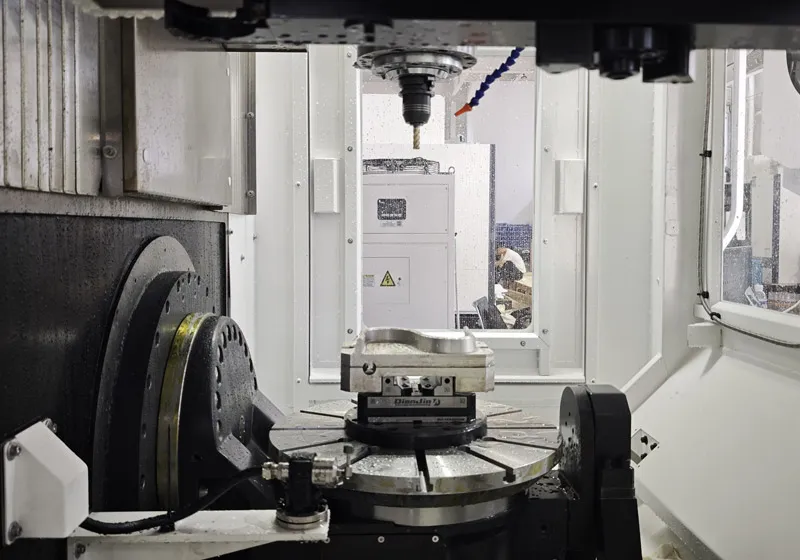
Upgrading to 5-axis technology can transform your production efficiency, part quality, and bottom line. If you’re unsure whether 5-sided or simultaneous 5-axis machining is the best fit for your components, EUMASEIKI’s team of CNC experts is here to help.


 English
 中文
中文 Pусский

